
Seats for Everyone
Why Performance Needs Philanthropy
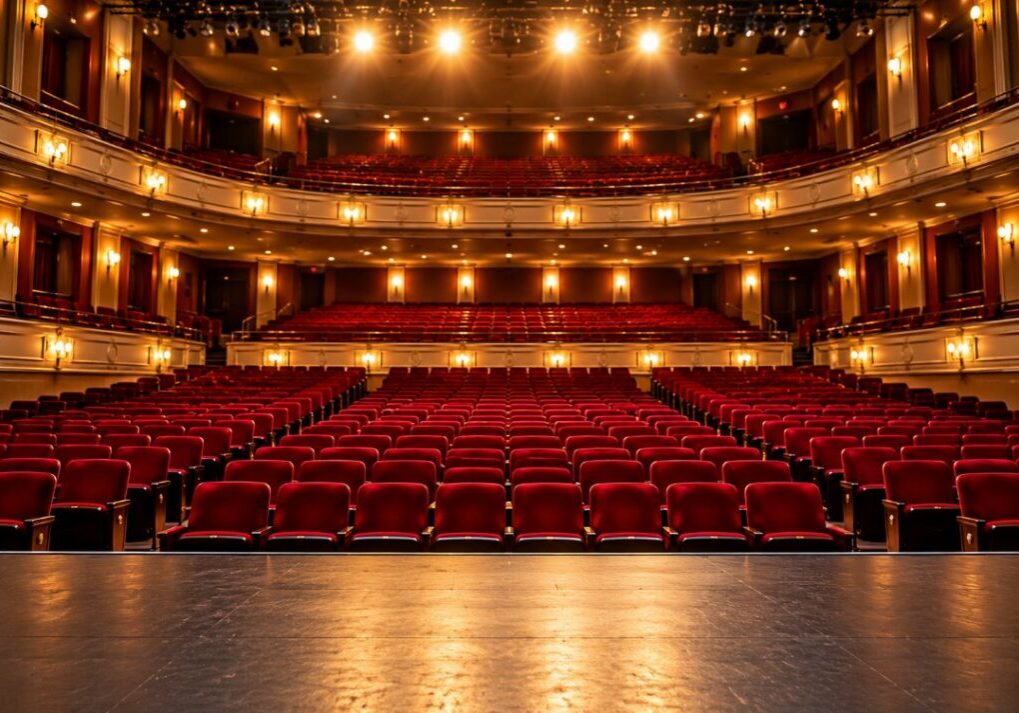
On a November evening in Chicago’s western suburbs, the lights go down, and a theater fills. Artists take the stage. Families settle into their seats. Students experience live performance for the first time. And people who might not otherwise be able to afford a ticket become part of the audience.
What makes that possible?
The important answer is the nonprofit model.
A nonprofit performance venue asks not only, who can afford to be here? but also, who needs to be here?
Healing We Can’t Get Elsewhere
Live performance gives the rare opportunity to sit together and witness the human experience unfold at a safe distance. We recognize ourselves in someone else’s grief, family struggles, loneliness, courage, or joy.
We laugh together. Sit in silence. Sometimes, we leave changed.
Research connects participation in the arts with well-being, social connection and positive mental health outcomes.
As Deborah Venezia, Director: Arts DuPage, states, “Arts ignite social change, foster human connection and understanding, and invoke a sense of place for residents and visitors alike—and I am only scratching the surface.”
Donations Equal Access
Philanthropy makes experiences possible for people who might otherwise be left out. Donations and grants help pay artists, provide affordable admission, fund educational programs, and remove barriers.
Philanthropy becomes the bridge between wanting to be there and being able to be there.
The Encore Center for Performing Arts’ Freedom Sings event was a powerful example. Through grant funding, ECPA paired veterans experiencing post-traumatic and emotional stress with award-winning songwriters, who transformed their experiences into original songs.
For Staci Boyer, a Navy Hospital Corpsman, the experience was deeply personal.
“Today for me was a very healing moment,” Boyer said. “This experience was unbelievable as it allowed me to feel, and I needed to.”
That’s philanthropy in action: turning a contribution into an experience reaching someone at a moment when they need it most.
Making Sure Everyone Has a Seat
Grants and donations become free student matinees, community programs, and sensory-friendly performances. They remove barriers that have little to do with someone’s desire to participate—and everything to do with whether they can afford to.
Through the McAninch Arts Center at College of DuPage’s Treat Seats program, children who studied Andy Warhol were able to see his exhibition they wouldn’t have been able to afford otherwise.
“Those kids were so excited to come and soaked it all in,” said Diana Martinez, Executive Director of the MAC. “That is why affordability matters: No child should come that close to an extraordinary educational experience and miss it simply because their school cannot afford the ticket.”
A $10 ticket may seem inexpensive. But for some, even $10 can be a barrier.
Philanthropy removes that barrier.
This Giving Season
When considering where your charitable dollars can make a difference, look to the arts organizations in your backyard.
Buy a ticket. Become a member. Make a donation. Volunteer. Bring a child, friend, or neighbor to experience live performance.
Because supporting the arts isn’t simply about keeping the lights on. It’s about keeping the doors open—and making sure there are seats for everyone.
About the authors: Laura Michaud is a founding member of the Encore Center for Performing Arts and Stage 773.
Melissa G. Wilson is a performing arts enthusiast, author, and renowned networker. For more information, visit EncoreCenterforPerformingArts.org