
Living Better with Less Pain

Chronic pain is more than a physical condition—it changes how you move, how you interact with others, and how you see yourself. For many people, pain becomes the backdrop of everyday life, limiting activities, straining relationships, and wearing down resilience. It’s no surprise that when nothing seems to work, frustration and exhaustion set in.
As a pain management physician, my goal is to help patients find safe, effective options they may not know exist. Medications, especially opioids, can provide short-term relief but often create new problems when used long-term, including dependence and reduced effectiveness over time. Surgery can sometimes be necessary, but it also carries significant uncertainty and potential complications. Between those two extremes, there are treatments designed to target the source of pain directly.
“My goal is to find the safest, most effective approach—minimizing reliance on opioids and maximizing quality of life.”
These minimally invasive procedures include joint injections, nerve blocks, radiofrequency ablation, and neuromodulation. Each works differently, but the goal is the same: reduce inflammation, quiet overactive nerves, and restore function so patients can return to the activities that matter most. Unlike medications that mask symptoms, these approaches focus on addressing pain at its source.
Prior to my practice in Illinois, I trained in Pain Medicine at the University of Utah Health and the
affiliated and nationally-renowned Huntsman Cancer Institute, taking care of patients facing cancer-related pain. Patients dealing with the after effects of treatment, others with conditions that had persisted for years. What stands out to me is how life-changing it is when pain relief allows people to reconnect with their families, return to hobbies, or simply get a good night’s sleep again.
That’s why I practice the way I do today. Each patient’s situation is different, but the goal is the same: to find the safest and most effective approach that minimizes reliance on opioids and maximizes quality of life. Pain may be a part of your story right now, but it doesn’t have to define the rest of it.
 About the Author:
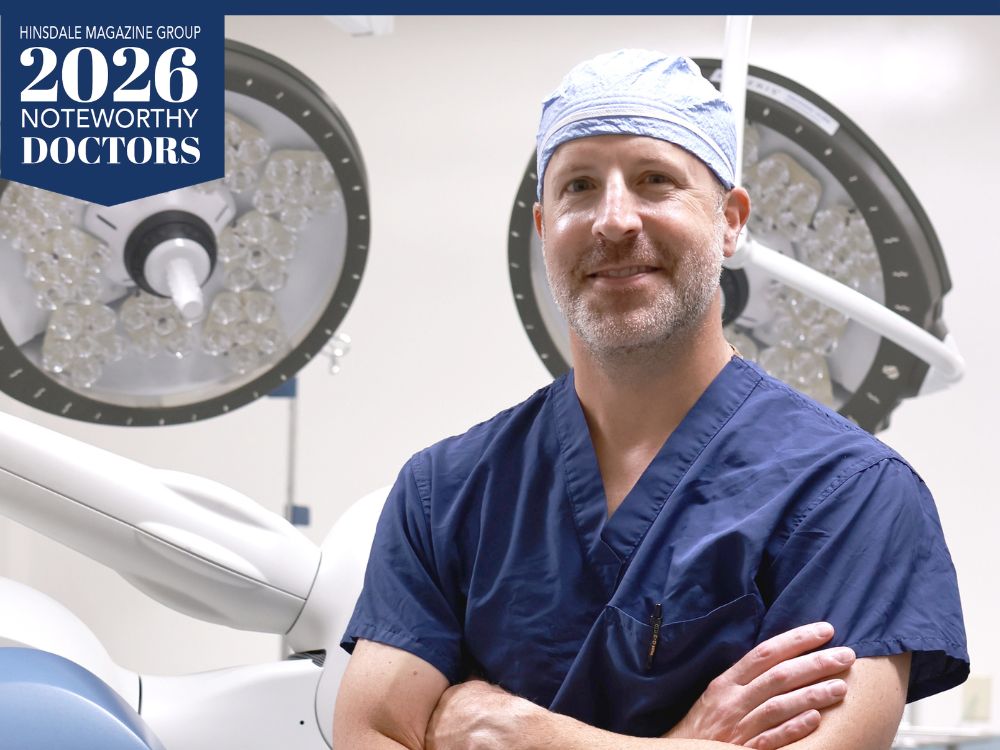
Dr. Sean Powers is a fellowship-trained pain management specialist.
Pain Specialists of Greater Chicago
7055 High Grove Blvd, Burr Ridge
(630) 371-9980 | painchicago.com