

A Return to Grand Travel
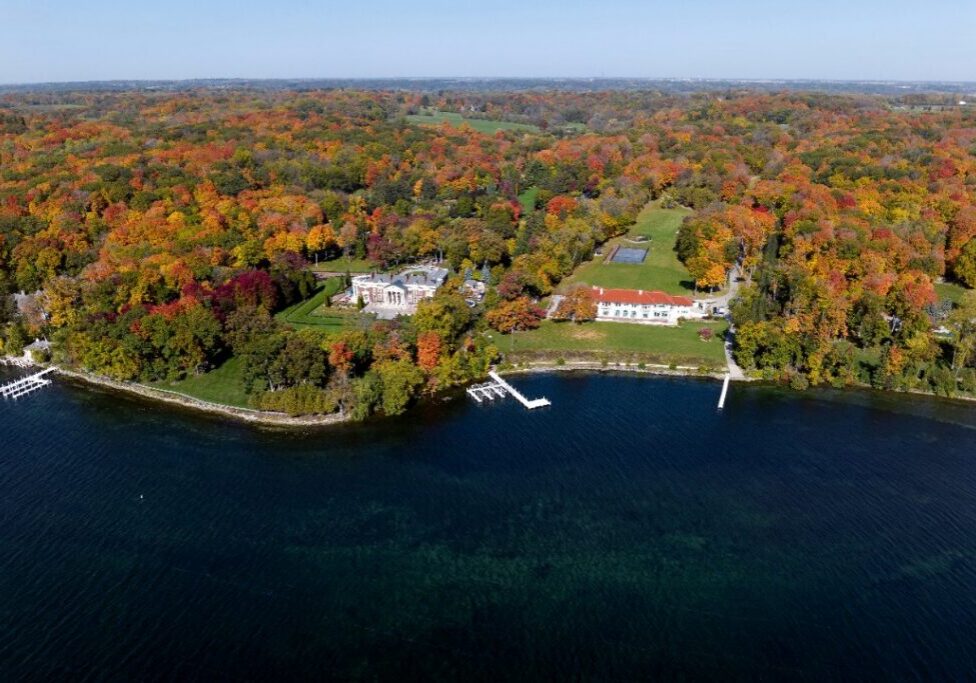
As the standards of traveling continue to change, locals are increasingly appreciating a different way to enjoy their vacations.
By Sophia Schiappa
For decades, travel was about being efficient. Travelers raced to check destinations off of their bucket lists by taking the fastest flights there. Any delays were seen as inconveniences. With the Covid-19 pandemic locking down travel for several years, there’s a growing appreciation for “grand travel.” Journeys that thrive on elegance and history make for their own unique experience because they force those to slow down. While inspired by icons like the Orient Express, today’s travel trends are fueled primarily by social media. Younger travelers are beginning to seek more meaningful experiences while also fulfilling desires to disconnect from everyday life.
Because the pandemic shut down travel entirely, it changed how the public thought about travel. After years of restrictions and uncertainty, there was more appreciation for the experience of traveling itself. Instead of trying to squeeze as many destinations as possible into one trip, many travelers began seeking longer stays, quieter destinations, and more meaningful experiences.
As restrictions began to be lifted, travel began to make its return. Many young Americans began to take advantage of study abroad programs as a way to experience travel in a new light. From experiencing new cultures to learning new perspectives, students use their experiences abroad as a vessel for growth and change. Furthermore, living in Europe for an extended period of time often means relying on local transportation such as rail networks, buses, and ferries. As students learn to navigate new countries through weekend trips, they are able to prioritize the journey just as much as the destination, which is a sharp contrast to the fast-paced vacations that many grew up with.
Social media has further accelerated the resurgence of grand travel. Videos showcasing overnight train rides, boutique hotels, and picturesque European villages have transformed slow travel into an aspirational lifestyle. It has also been a trend among study abroad students to showcase their extravagant travels. Rather than emphasizing how many destinations can be visited in one trip, creators often highlight the experience itself by showing themselves dining in restored rail cars and spending a weekend in a historic lakeside town.
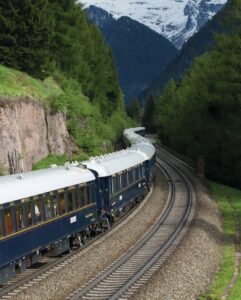
Photo courtesy of Belmond Ltd.
For many travelers, the image of the Venice Simplon-Orient Express is the first thing that they think of when considering grand travel. Since its debut in the late nineteenth century, the luxury European rail service has come to symbolize a style of travel defined by elegance, prime service, and the belief that the journey itself is just as meaningful as the destination. Even though few Americans will ever board the famous train, its legacy has shaped modern ideas of luxury travel and inspired a renewed interest in scenic rail journeys, boutique hotels, and historic destinations around the world. Although the Orient Express remains the world’s most recognizable symbol of grand travel, its influence extends far beyond Europe.
While only a few Midwestern travelers are boarding the Orient-Express, the ideals it represents are increasingly internalized even in the United States. Destinations like Galena, Illinois, and nearby Lake Geneva, Wisconsin, invite visitors to slow down, stay in historic hotels, stroll through preserved downtowns, and treat the journey as part of the experience rather than a chore.
Galena, with its well-preserved nineteenth-century architecture and boutique inns, offers visitors a chance to step away from the expectations of everyday life. Known for its rolling hills and historic Civil War sites, the town offers activities year-round. In the summer, visitors are able to hike the miles of trails, kayak through the Galena River, or even horseback ride through the scenic fields.
In the winter, those seeking an adrenaline rush can ski or snowboard down Galena’s historic Chestnut Mountain Resort. Rather than rushing from one attraction to another, travelers can also spend their trip exploring locally owned shops, dining in historic buildings, and taking in the town’s rich history.
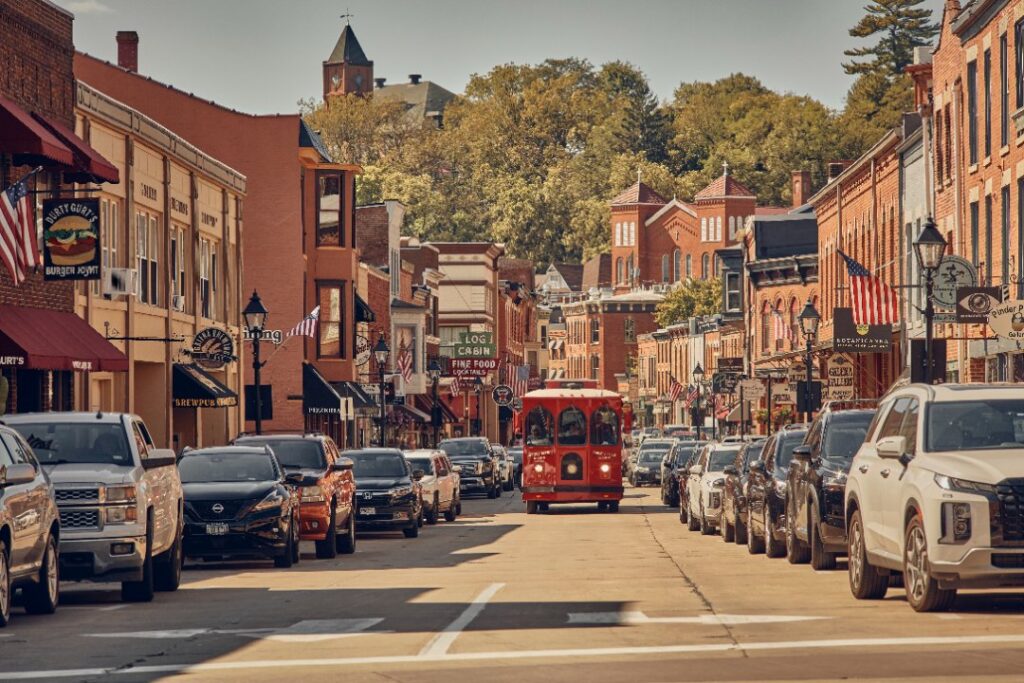
Photo courtesy of Galena County Tourism
Just across the state line, Lake Geneva has also served as a retreat for Chicago-area residents who are seeking a getaway. Following the Great Chicago Fire, Lake Geneva was once a summer destination for only the wealthy Chicago industrialists. The lakeside town still reflects that legacy through its grand estates, waterfront resorts, and scenic walking paths. Visitors can learn about the history of the grounds through boat tours with the Lake Geneva Cruise Line or seeing one of the many museums that preserve its history.
These destinations demonstrate that grand travel does not require crossing an ocean or booking a luxury rail journey through Europe. Instead, they offer the same underlying philosophy: slowing down, appreciating a destination’s history and character, and allowing the experience itself to become the highlight of the trip. As travelers continue to prioritize meaningful experiences over packed itineraries, places like Galena and Lake Geneva show that the spirit of grand travel is also present in places much closer to home.